
Before we dive into the logistics, let’s think about who you want to play with. A few years ago, my best friend came to me and noted that she wanted to play Dungeons & Dragons and wanted to know what needs to be done. Since I’m a good friend and have this tendency to research A LOT and like to tell stories, I got all books and decided to take over the Dungeon Master (or Game Master, let’s abbreviate it as GM from now on, shall we?) role. Once we decided our plan, I was doing some prep work just to get into the rules and prepare a one-shot adventure. Eventually, once I felt equipped to do so, she asked around her friend group, who would want to participate. She asked her sister as well as a co-worker to join her and we had a fun afternoon. But as you know, life has some issues sometimes and there was some falling-out and one of that group fell out soon. In another group, a couple was part of it and we had 2-3 sessions together, but there had been some issues here and there and no next meeting was scheduled. In the meantime the couple separated and the question remains, how to continue from now on. Or in another group, some players became parents and we had to work around the times to bring all kids to bed… which sometimes worked, sometimes it didn’t. As Dr. Ian Malcolm said in Jurassic, „Life will find its way“. Rescheduling and temporary struggles happen within every group. The main trick is, to find a rhythm that suits everyone. And then it’s a lot of fun for everyone.
Gathering a group that lasts
As I mentioned before, I jumped pretty fast onto the role of a GM and whenever I told someone that I was doing Dungeons & Dragons, they wanted to know what it was like or do it themselves. So, if you’re doing it for the first time, try to stay within your comfort zone. Try to play with people you know how they react and what they do and what they like. If you want to have a long enough campaign, try to gather your best friends or co-workers around you where you’ll know that they stick around. There’s nothing more catastrophic than to have someone who drops out of a campaign unannounced because of a falling out between players. Once you’re feeling more confident, you can ask around in other areas like your local game store, local groups (there are even boardgame cafes in bigger cities), forums or online groups. Which brings us to the next question…
Online or In-Person Play?
In its over 50 years, D&D has been mostly played at a simple table, with the GM sitting behind a view-obstructing GM screen that hides his notes and his secrets, while the other gather around the players together with their ingredients and snacks. Let’s be clear. With most sessions being hours long, there will lots of snacks consumed by the end of it. So, the natural idea would be to separate the tasks here. The GM has obviously already lots on their plate, so one of the players could do the scheduling while another one could do the snack organization. Don’t have all work be concentrated on just one person. If you’re sitting around the table, there’s also the question where this is hosted. Well, here’s task no. 4 that could be delegated.
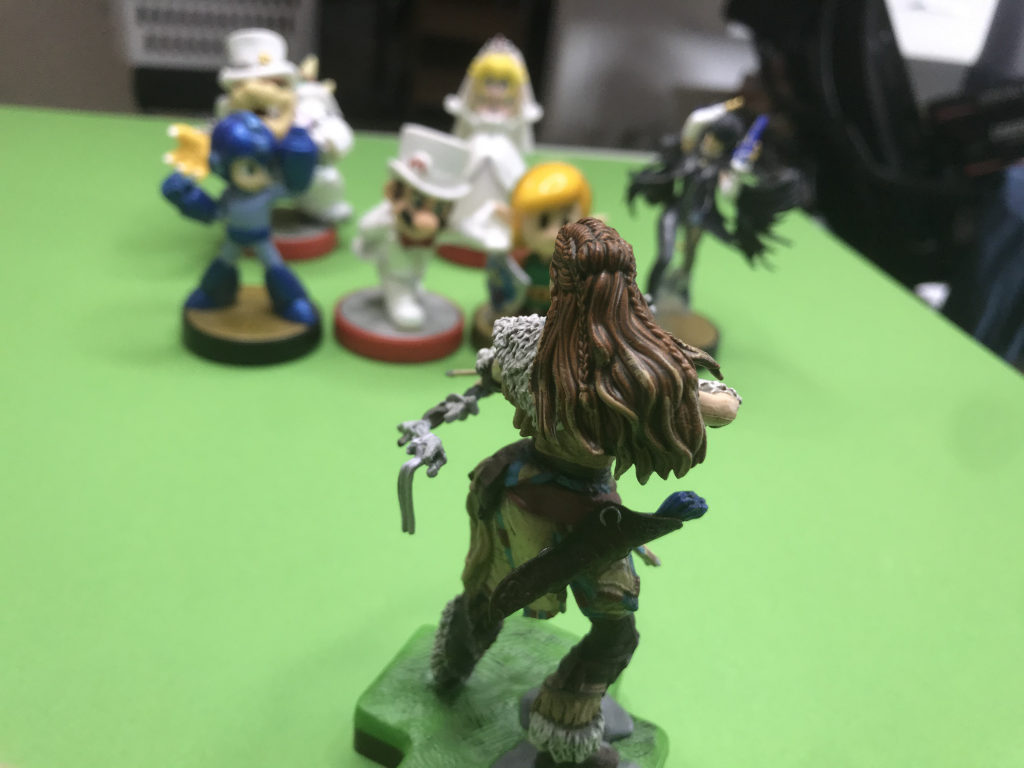
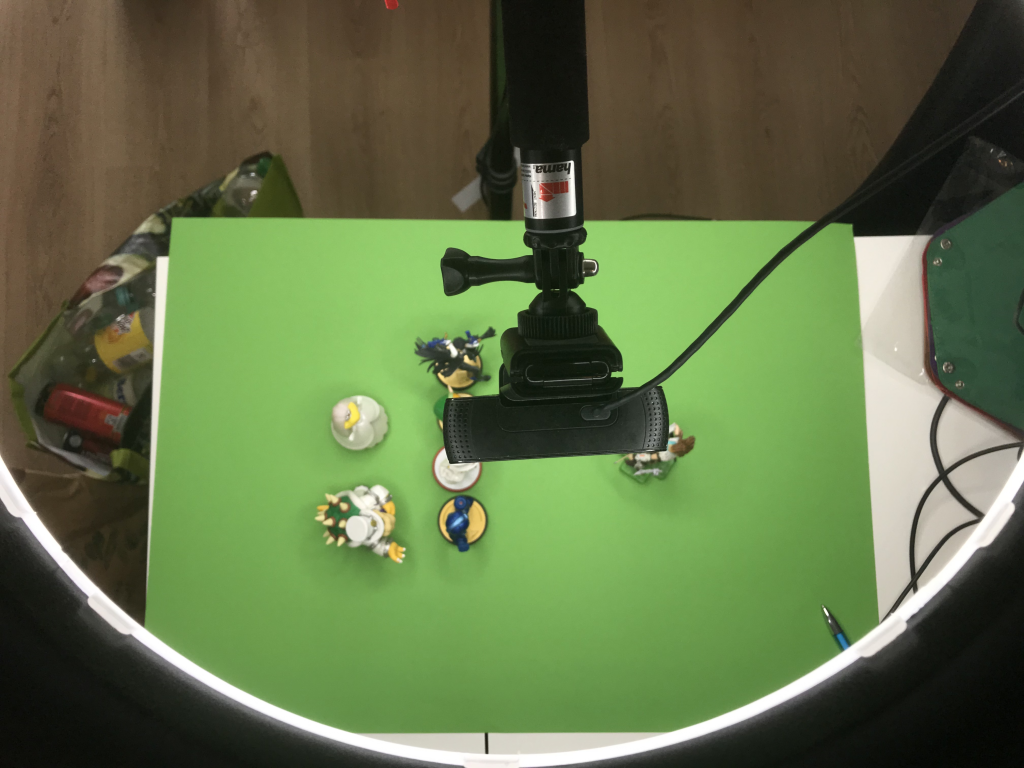
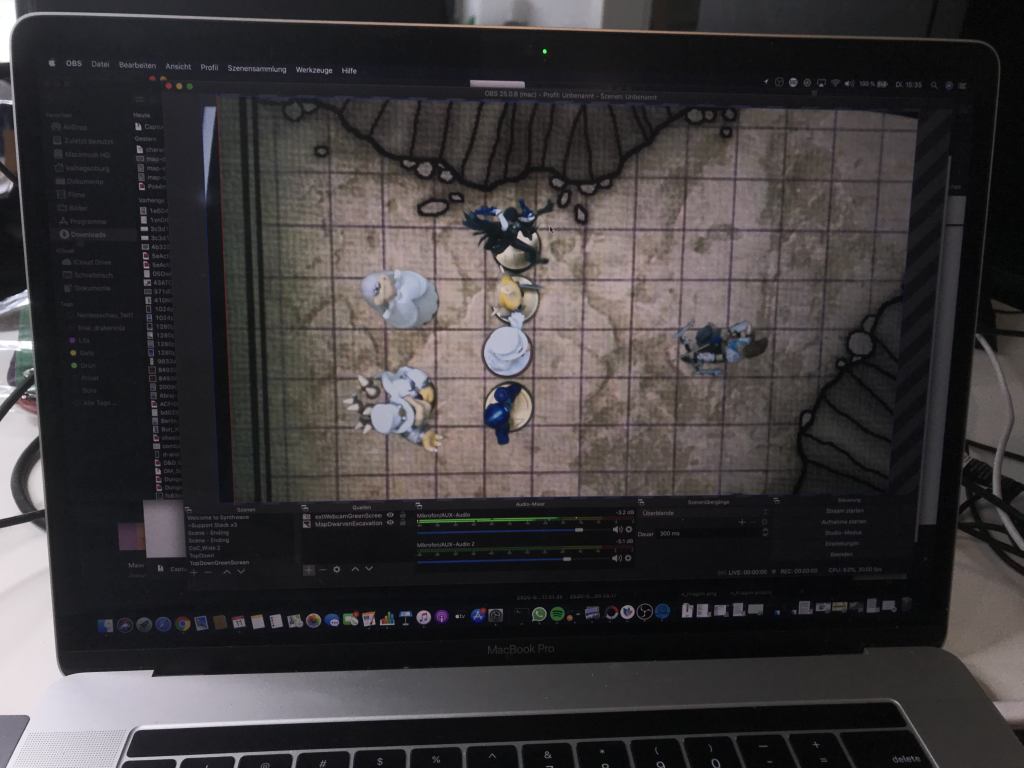
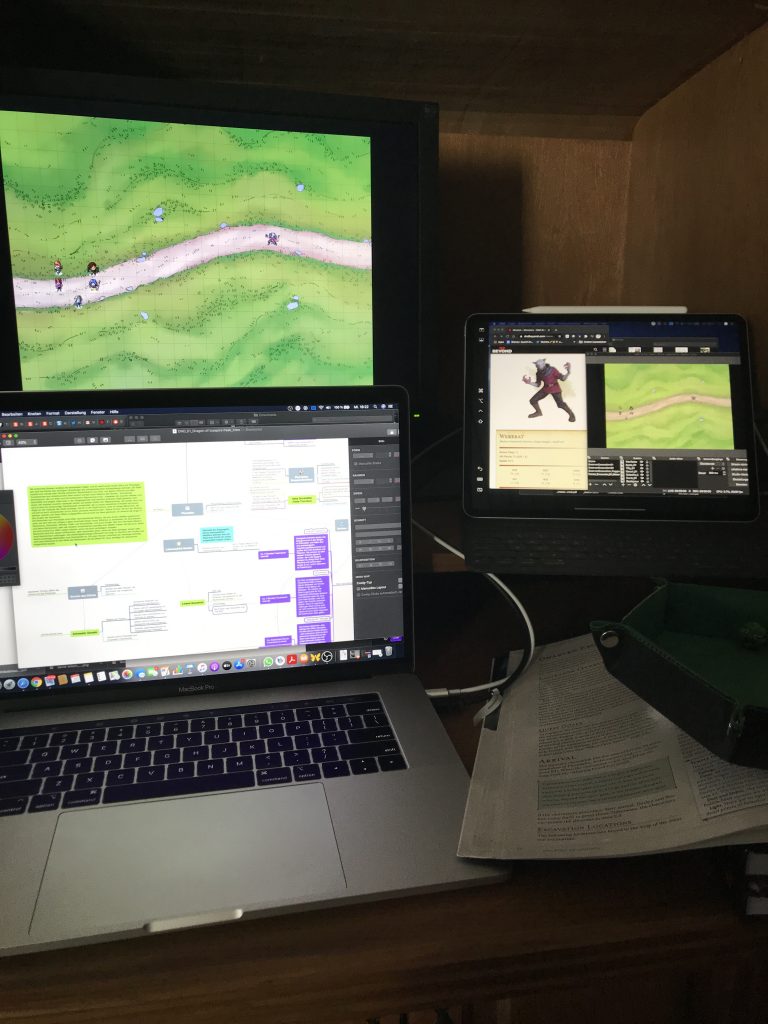
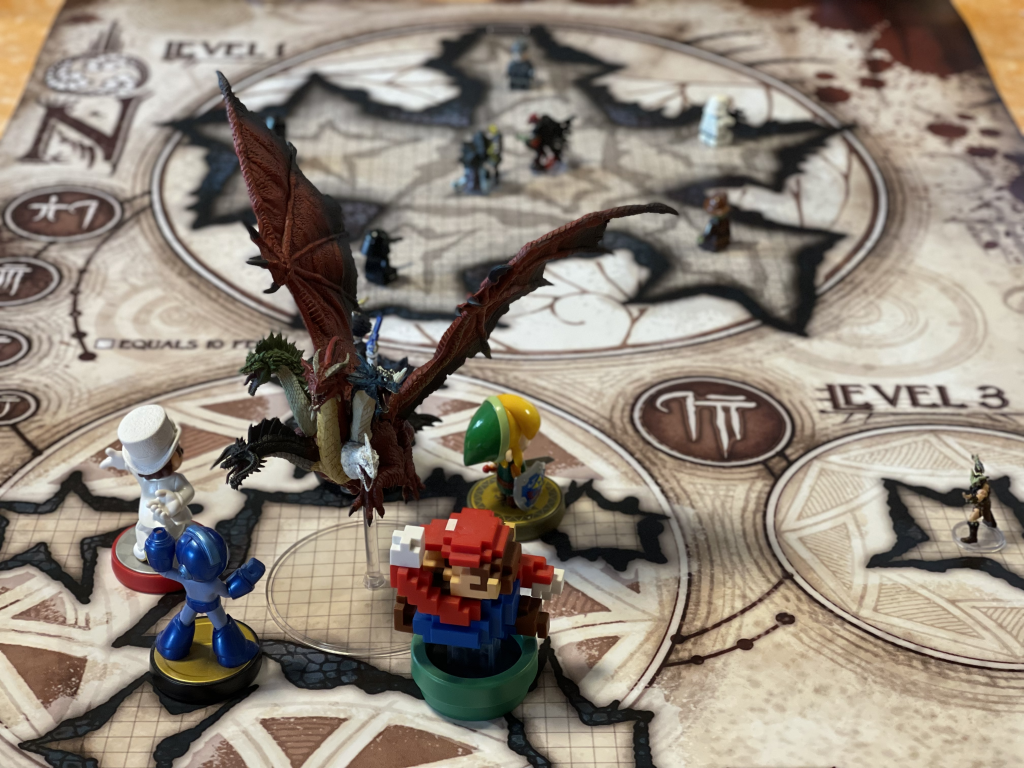
But if that’s an issue and you might not be able to bring everyone together at the same time at the same place, maybe there are other ways. Since the last few years, more and more sessions have switched to online sessions. Those could be held via video calls with zoom or discord. This gives then everyone the opportunity to participate, even if they are still occupied with other tasks at home, until they can commit to the rest of the game (for example we have had many parents in our group, so we could arrange for those players to bring their kids to their bed while we were either chatting socially or advanced while that character was temporary paused). But there are multiple ways to go forward here. When I started in 2020, I had a strange setup that streams my iPad screen as I put some manual fog of war onto a map with Procreate. My initial setup had the map within OBS and dozens of overlays. My very first try-out even had a overhead camera filming Amibos in front of a greenscreen. All of this was totally overblown and today you can just screenshare and do this on Roll20, Ownbear Radio or natively via D&D Beyond. And here’s its your own preference what you want to do and where to invest your time. We will discuss this more in the future. But coming back to the Amibos in front of a greenscreen. Let’s say, those stayed for quite some time, because when we had the first in-person session after three years, I had only a few miniature figures and improvised. But having this tactile map on the table helped immensely. But this is also another topic for another time. But overall, there are pros and cons for every scenario. Obviously it helps to do some advanced test runs, but it should be great for every player. It doesn’t need to be 100% on the first try, but over time you’re getting quite close.
Planning a campaign
I think, when it comes to TTRPGs, scheduling feels like the biggest final boss there is. There seems to be something everytime: Work took too long, huge traffic, kids screaming in the background or someone simply forgot. Try to have a session zero first, in which you’ll discuss all necessary framework issues: Where should it take place, when does it take place, who prepares what and what to do, if life happens. In our group, we had the agreement to postpone the session if at least two members of the party had scheduling issues. That worked for most of the time. If that happened, we would either use the campaign call to discuss social stuff, some campaign Q&A or play another game outside our campaign. At this session zero, you should also discuss the general framework of the campaign. This is an immense help for the GM, because it’s not good if he prepares an epic political campaign like Game of Thrones and all players just want to run around like Conan The Barbarian (thinking about it, Arnold Schwarzenegger would have been quite funny in Westeros, come to think of it…). Also, you should clarify first, where the personal boundaries are and what should happen if there are some trigger moments for some of the players. Like don’t make your main antagonist a huge spider if you know one within the group has Arachnophobia. For this, there are so-called safety tools. For example you could have a safe word that one of the players could say in a moment of discomfort. Ours was banana pudding, if you want to ask. But you could also have simple cards on the table, denoting an X, where you just point towards if something comes up that might make you uncomfortable. And then of course, the date. The scheduled date is maybe one of the most tricky things. In our campaign, we initially had set 7:30pm as our Wednesday date. In the beginning that worked quite well. But as we started out with just one group with just one kid in the extended family, by the end of it, we had four (Again, life will find a way), so it was much more difficult to get everyone regularly to the table. Since we were close to the end of the campaign, we scheduled in-person meetings on dedicated dates on the weekend that also could take a few more hours (for example with shared calendars, doodles or the simple WhatsApp/Signal group). And it was fun as hell, seeing everyone laughing and having fun in-person, instead of seeing everyone just as a 2D camera picture. Again, both methods have their pros and cons and it should fit to your group.
Keeping everyone engaged
Maybe one of the most tricky things, is to have a situation that is engaging for everyone. In early levels, fight encounters were quite fast and every player had their own action being done within a few seconds. But there’s a certain level of grind, the higher the level is. If your player character has a dozen spells instead of just 2 or three, it takes a bit longer to decide. And don’t get me started when the Paladin starts their attack against devils and demons: Calculating stacking damages from a variety of min-maxed stats could take a few minutes. One of my players regularly rested on bed and even fell asleep when battle took too long until it was his turn. That’s something that I had to learn myself: On that table, everyone should be happy and not just a few. Try to arrange hero moments for everyone and try to have an equal activity time for each player. If one of the players feels to be left out or ignored that could be the start of letting the group fall apart. Furthermore, have regular check-ins and ask if there’s something that could be improved or if there’s one thing they would like to do. In our campaign, I played Harbin Wester of the Phandalin campaigns as if he was scared to come out of his house, so it was basically a running gag that he just talked through the door. My players eventually laughed about the possibility to have a Mayoral election. And guess what happened after they finished the first part of the campaign. We had a fun few sessions creating a political Mayoral election that eventually led to one of the players become the Mayor of Phandalin for the rest of the campaign (and also some fun role-playing aspect because whenever we were visiting another king or queen, he would brag about being the Mayor of this simple and small town). If your players throw a soft ball at you, catch it and run with it, this is fun for everyone. On the other hand, there should also be concern if one of the players has something called „Main character syndrome“. They seem to want to have full control of the situation and always want to upstage other players or even the GM. Fortunately, I hadn’t experienced something myself… though, come to think of it, there was one situation. Remember my best friend? At some point we started a Harry Potter campaign a few years ago (when JK hasn’t gone full Umbridge yet) and we had the obvious situation where the new players had to choose their wand and something goes wrong in the Diagon Alley. Two players didn’t care at all at the situation and just wanted to get money from the bank, while a golden snitch caused havoc. So it very well felt like a Naked Gun situation where Frank Drebin just tells everyone to go away, nothing to see, as there’s a major firework behind him. Luckily the other players had their moment to shine here, as they caught the snitch after a high-stakes chase (oh I have to mention that we played a heavily homebrewed version of D&D for this). There were some moments afterwards where I feared I would have some issues with my best friends from that point on, but luckily that didn’t happen. So, be aware of social cues that happen around the table.
I hope you got some ideas about how to find a group and have it stick together for a longer period of time. Try to start small and don’t overcrowd the table at the beginning. Don’t have a large group of people gather around the table if you haven’t played yet, just stay in a small group with 4-5 people. If you’re thinking about it, at the end of the first book for The Lord of the Rings, Tolkien basically realized that his nine-player campaign was way to large, so that he split his campaign into three sub-campaigns where each of the group have their own goal and own campaign, until eventually all of them converge in the end. And it did work for them in the end after all, right?
In the next section of this series, we’ll talk about what you’ll need for your first session.