
In September, I am planning to release a new small solo journaling TTRPG game named Reel to Real that has the player think about movies. All this is written in a framework as you imagine standing in front of an audience, discussing the movie you’re about to watch, talking about why it fits into the theme of a movie festival and how it has influenced you in the past. Basically a story within a story. And this is the theme of this month now here on this blog. We’ll be having a look at how stories and legacy could be used in TTRPGs and other media over the span of this month. Let’s think about one classic idea for an adventure campaign.
The Lost Diary
He knew he had to find the grail before the Nazis did, yet his only connection to the grail was the research that his father did. A lifetime of research on one of the holiest of items of the world, condensed into a small document, containing drawings, copies of ancient texts, notes, ideas, musings and other elements that either might be important … or just fluff of his father. Was this poem just the fever dream of a disease-ridden knight in the Medieval times or could this be an information that could help save his life in a dangerous situation. With this book in his possession, Indiana Jones started his journey to find the holy grail and reconnect with his estranged father…
Basically that’s the gist of one of my favorite movies of all time, Indiana Jones and the Last Crusade. The main driver of the story is the hook for Indy to find his father and the Holy Grail and his only leads are contained within this small diary that his father sent to him. This Grail Diary had been one of those things that I always wanted to use for a TTRPG campaign, design a document in advance of a campaign that your players could always refer to, have them plan their next moves and targets and have the book give them hints and tipps that might seem strange at first glance, but become obvious once they are in the actual situation. Like having one line in the book „Only the penitent man will pass“ and have the players realize in the final moment that they would have to kneel down.
I think at some point, I’ll eventually finish the prep for such a campaign, because it would involve doing basically some sort of solo campaign BEFORE the player campaign starts. Let’s say information a big, fancy, powerful McGuffin has been found which brought lots of adventurers into the area, all looking for said McGuffin. Most of them died, but only a few of them left diaries, documents or books behind that might solve the answers and help someone find this McGuffin if they are able to combine all information together. With that in mind, it’s a LOT of work that a DM would have to do, basically designing a whole campaign in advance, thinking about all traps, environmental hazards, dungeon layout and other things well in advance. Imagine having a NPC walk through that dungeon, discussing the hazards they encountered and documenting everything in this diary or on a piece of paper.
The Snickers bar at Sir Ian’s
But you don’t have to do this for an entire campaign. Just try it on a smaller scale. Think about the dungeon you’re about to run and think about the layout and potential dangerous situations a previous adventure team would have encountered. The player characters could find remains and a piece of parchment or something engraved into the walls, like a poem or a small hint that might be strange at first, but could have a different meaning once you’re in the situation. There’s one example that I’ve been running now twice for my players, that I took from the book „Wally DM’s Journal of Puzzle Encounters“ which was pretty simple and easy to run. Just have a situation where people would need to be in a dangerous situation, like having a closed-down emergency exit or a security measure in front of a treasure room and there are 8 valves presented in that room that can be rotated in 90 degree angles. The players find conveniently a letter, containing 8 lines of a poem like
„The dwarf goes up towards the tavern for a drink.
He raises his glass for his soldier friends…“
And so on. Encoded are basically two positions for the valves with „goes up“ and „raises his glass“, so the first two positions would be up and up (yes, the rest are down, down, left, right, left, right and that might tell you, how old I am). What’s even cooler is, when you craft this and hand it to your players once you’ve found it. What I did for another small campaign that I wanted to run (but we stopped after two sessions unfortunately), was to have a dedicated card for bar they could find once they approached the bar. The gist of it was to have a theatre named McKellen theatre in honor of Sir Ian McKellen. Then the bar was named „Sir Ian’s“ and had the following entries:
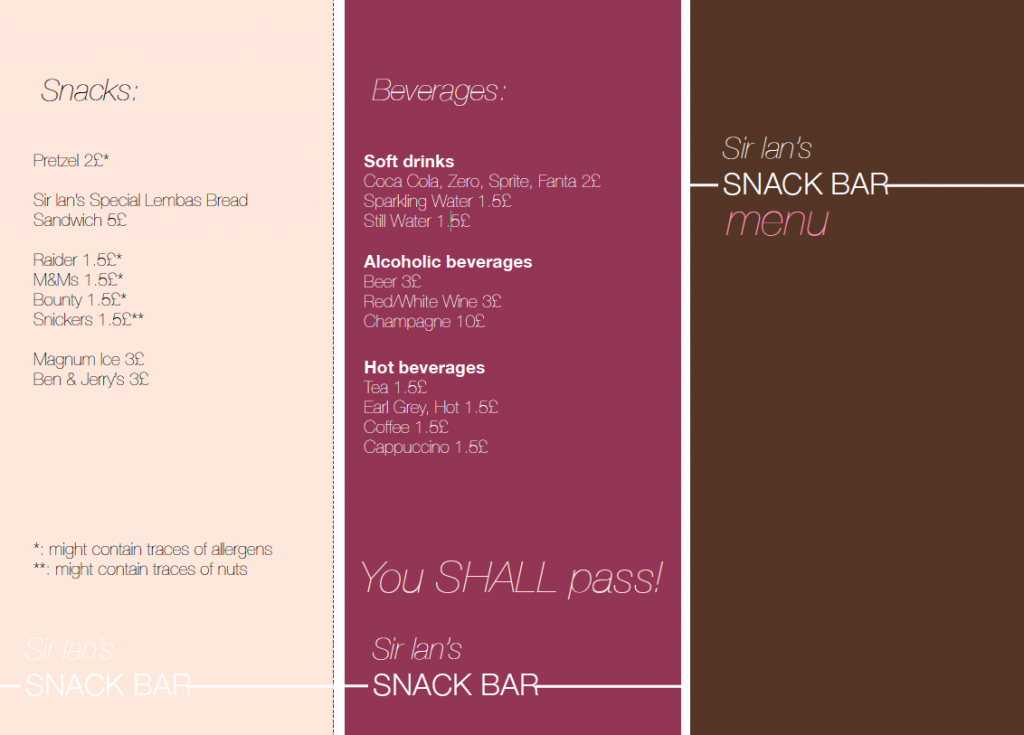
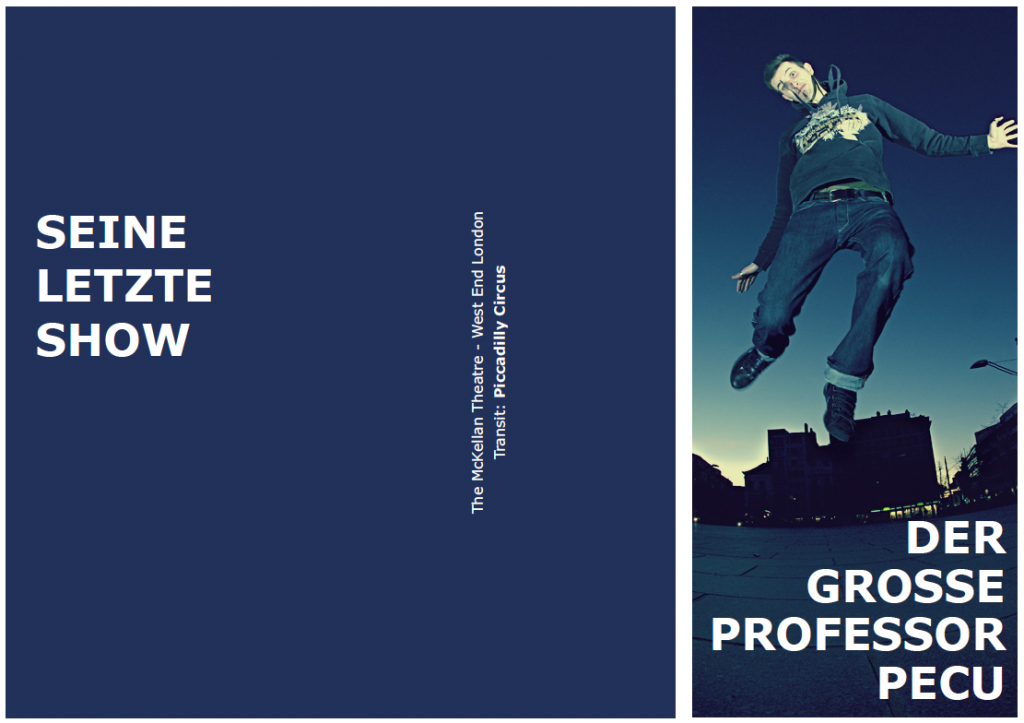
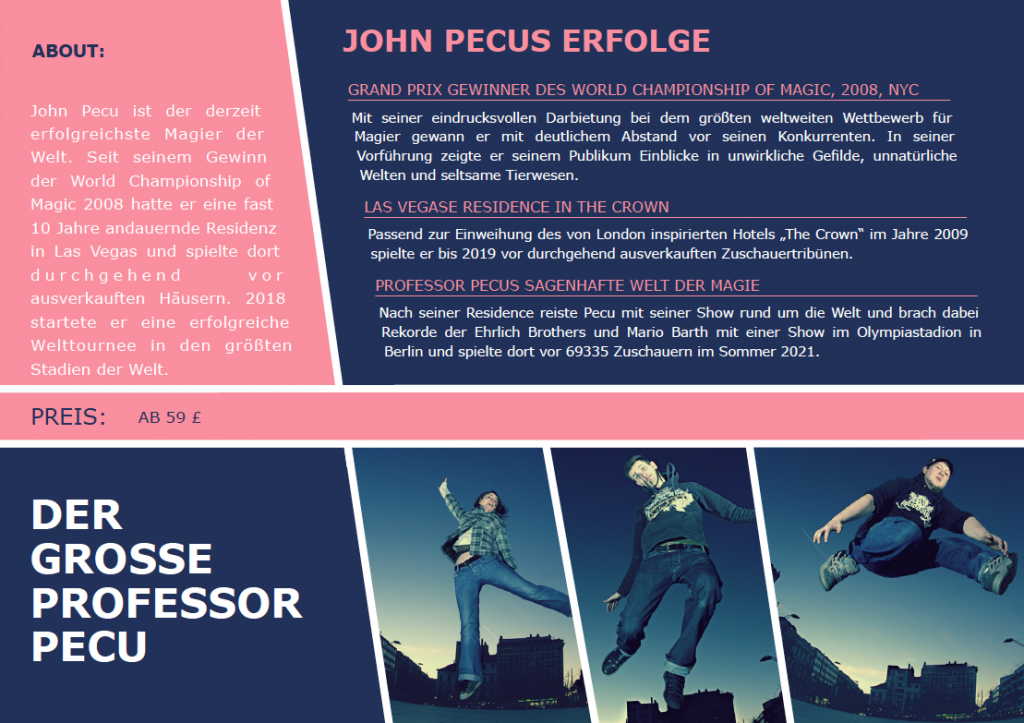
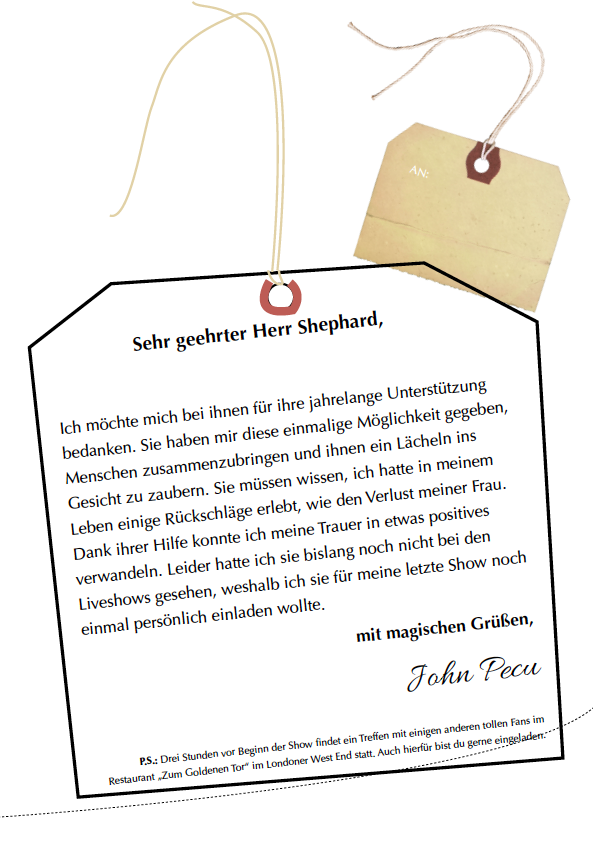
There are three snack items that made it special, because they were not likely for players to actually buy them, but they could have an actual effect. Inside the theatre was an employee that had a serious allergy against nuts… and one of the players actually bought the Snickers bar and used it later to get the keys they need later to open up a locked door. The Special Lembas bread gave them additional temporal hit points and the Raider basically gave away where this game was taking place: The parallel universe where Raider hasn’t been renamed to Twix. Furthermore, I handed my players the following documents as well.
Other ideas
In general, I’ve written and designed this campaign around this main antagonist named John Pecu who had experienced a significant loss in his life after a failed experiment that pulled his wife into a parallel dimension. He would then dedicate his life to finding her. Eventually he would become a world class magician, hiding his findings in multiversal portal technology as a magic show, before his eventual final stage show that he would use to open up a portal and sacrifice this universe in order to find his wife again, who is lost in the multiverse. And the players should stop him. In this scenario your players try to find out the main background and the main antagonist’s motivation over a course of your campaign. Unfortunately we only produced one episode of this campaign (which can still be found on YouTube, which I will link below). But there are other methods to tell a story within a story:
- NPC Interviews: Furthermore, you’d have the players encounter someone who knows more than they would like them to know and this might also be interesting to play out in a sense of an unreliable narrator who’d only tell things that would benefit their own agenda. Do the players trust this person or would they question their tales?
- Environmental Storytelling: I think the best examples could be found in The Last of Us or Horizon games, that would let the player encounter small notes or things left over from the past that tell a small, isolated story of survival or would tell about situations people had to endure who were at this location years ago.
- Local Myths and oral traditions: Players could encounter old books or interact with people that have knowledge about the past, who have either witnessed or heard about something in the past.
- The Dream Sequence: Sometimes it feels like a Deus Ex Machina rail roading storytelling device, but you could tie it to some of the players touching a magical item, creating a connection with mystical things (or something similar) that would let them see something happening that would require future attention.
All of these things can help your players discover things about the place you’re exploring, the McGuffin, you’re looking for, the antagonist your players are fighting against. They give more context to their story, maybe also making them more sympathetic, and opening up ways not just to fight them in a battle, but maybe dealing with them in different ways.